

In the modern era, information technology has become an integral part of our daily lives, impacting various aspects of society, economy, and governance. While IT has revolutionized the way we communicate, work, and access information, it also brings forth a host of professional and social issues that warrant careful consideration and management. Automation and AI-powered systems are transforming industries and job markets, leading to the displacement of certain roles. As IT professionals, we must learn to navigate and address technological issues such as privacy concerns, promoting ethical use of technology, bridging the digital divide, managing job displacement, and safeguarding intellectual property rights as they are vital for harnessing the full potential of IT and creating a responsible and inclusive digital society. It is crucial for IT professionals, policymakers, and society at large to work collaboratively to navigate these challenges and ensure that technology serves the best interests of humanity.
- Lecturer: SHAIK DAWOOD ANSARI JAINUL ABIDEEN
- Lecturer: NATALYN JAMES
- Lecturer: MARRICAH KOI
- Lecturer: Lucyca Muruket

This unit introduces students to understand genesis, scope and goals of software engineering, requirements engineering and the process, models for managing the phases of the software development process, static validation and verification, designing software architecture using UML notation, use case, and activity diagram, API documentation and perform on methods of building module tests with the use of dedicated structural unit testing tools and development of the SRS document, developing a project dictionary and checking its consistency with the requirements specification; developing a diagram of use cases; selection of the functional implementation module and building interaction; designing classes and interfaces for the indicated functionality; compilation and code implementation; building API documentation and module tests.
- Lecturer: Solomon Hombiku
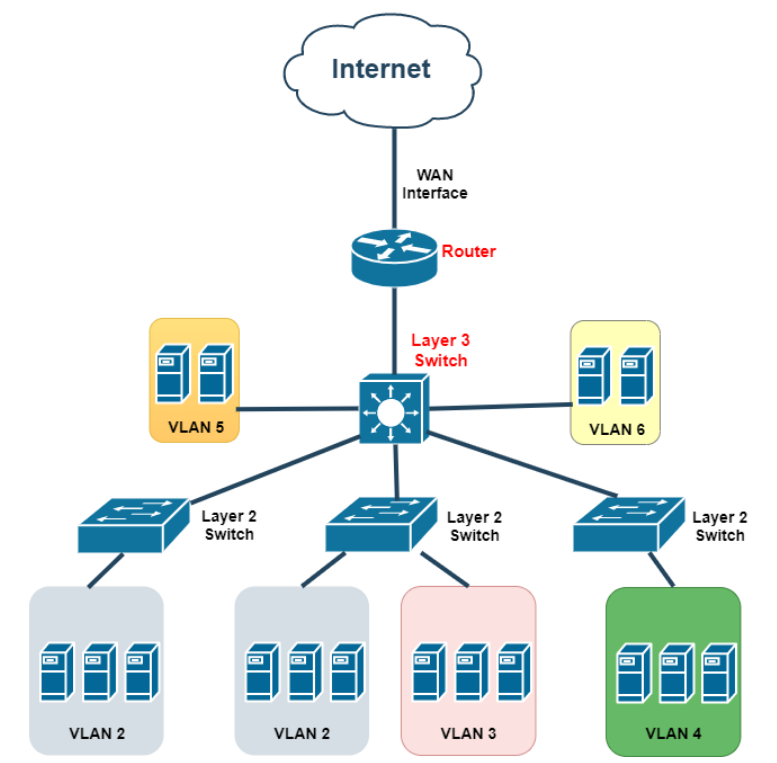
Network Operations provides a comprehensive understanding of networking fundamentals, specifically focusing on switching, routing, and wireless technologies which aims to equip students with the essential knowledge and skills required to design, configure, and troubleshoot modern network infrastructures. Students will learn how to configure and manage switches to ensure efficient and secure data transmission within a network, gain practical experience in designing and implementing scalable and fault-tolerant routing solutions, deploying and securing wireless networks, optimize performance, and troubleshoot common wireless connectivity issues. Students will also learn best practices for network documentation, device management, and network troubleshooting methodologies. By successfully completing this unit, students will have developed a solid foundation in network infrastructure technologies, enabling them to pursue careers as network administrators, engineers, or technicians in various industries that rely heavily on networking systems.
- Lecturer: Wingki Boaz Mainapo